

How Often Should You See The Eye Doctor?
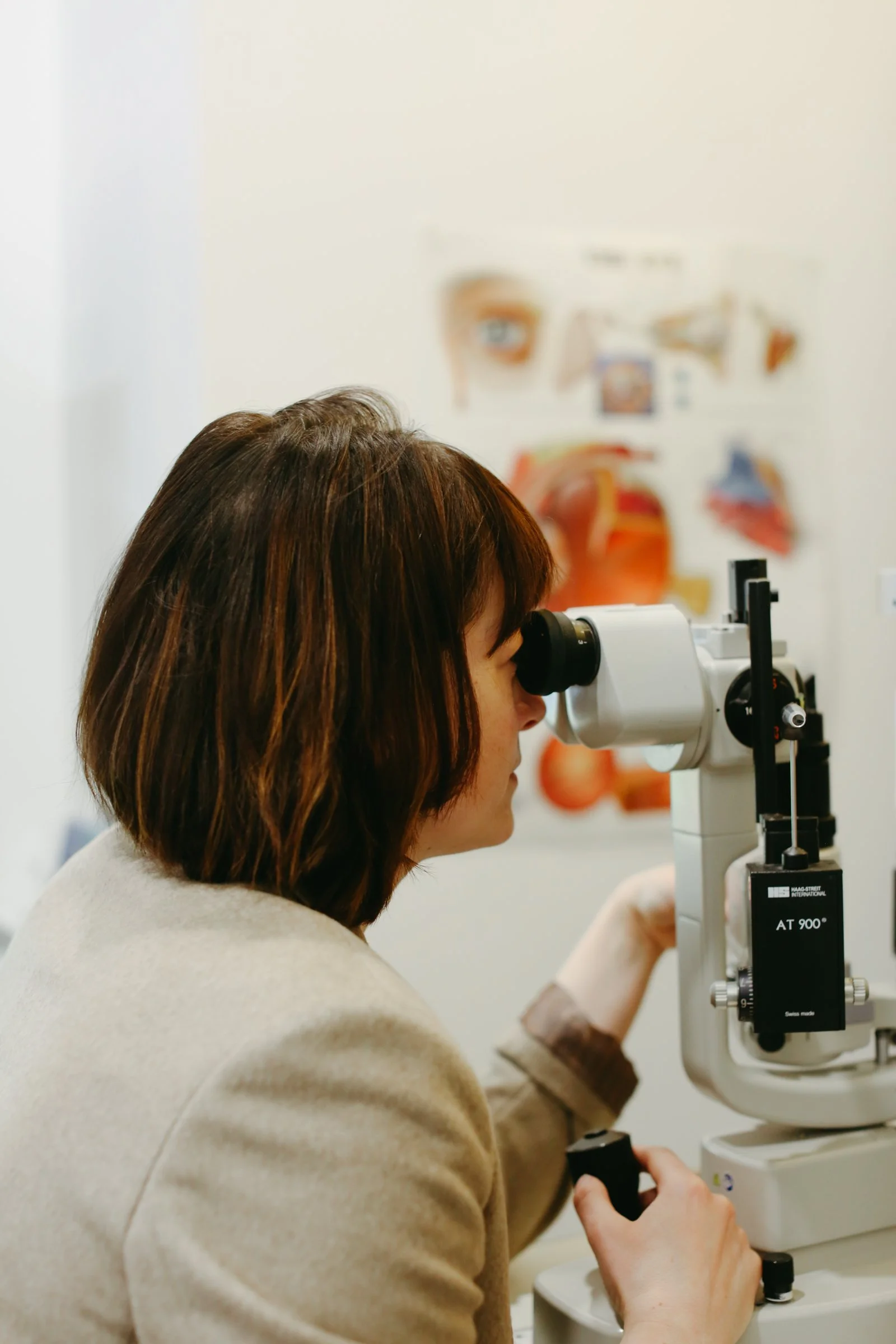
Photo: Delina Langridge
Be honest — do you know when your last eye exam was? A lot of us treat eye exams like flossing: we know we should do it more, but life gets busy and our eyes seem fine, so it slides down the list.
Here's the thing though: "seems fine" and "is fine" aren't always the same. Your eyes can be quietly developing issues you won't notice until they're further along, which is exactly why regular eye exams matter — even when your vision feels totally normal. So let's break down how often you actually need to book one, based on age, health, and a few other factors.
Eye Exam Frequency by Age
The Canadian Association of Optometrists (CAO) has guidelines for this, and they're a good baseline for pretty much everyone:
Babies (6–9 months): Yes, really — this young. Their first eye exam helps catch things like misaligned eyes or congenital issues early, while there's still lots of time to correct course.
Preschoolers (2–5 years): At least one comprehensive eye exam in this window. Kids won't always tell you their vision is blurry (mostly because they don't know it's supposed to look any different), so this is where problems like lazy eye or focusing issues often get caught.
School-age kids and teens (6–18 years): Annual eye exams. Growing bodies mean growing eyes, and vision can shift quickly during these years — which can quietly affect everything from report cards to soccer performance.
Adults (20–39 years): Every 2–3 years, if your eyes are healthy and low-risk. Easy to let this one slip since nothing usually "feels" wrong at this age, but changes can sneak up on you.
Adults (40–64 years): Every 2 years. This is also the stretch where presbyopia (needing reading glasses) tends to show up, and risk for certain eye conditions starts to climb.
Adults 65+: Annually. Risk for cataracts, glaucoma, and macular degeneration goes up with age, and yearly exams give your optometrist the best shot at catching changes early — while they're still very manageable.
When You Might Need to Go More Often
Those age ranges above are for people with no extra risk factors. But plenty of things can bump your exam frequency up to annual, regardless of age:
Diabetes. Diabetic eye disease is a real thing, and it can progress without any obvious symptoms. Annual exams are a must here.
Family history of eye disease. Glaucoma and macular degeneration, in particular, tend to run in families — if it's in yours, your optometrist should know.
High blood pressure or other systemic health conditions. Your eyes are basically a window into your overall health, and conditions like hypertension can show up there first.
You wear contacts. More frequent check-ins help make sure your prescription and lens fit are still doing their job properly.
You've noticed any changes. Blurriness, headaches, eye strain, floaters, halos around lights — none of these need to wait for your "scheduled" appointment. If something feels off, book sooner.
Why This Actually Matters
A comprehensive eye exam isn't just about updating your prescription (though we love a good new-glasses moment too). It's one of the most effective tools for catching eye disease — and some general health conditions — early, often before you'd notice any symptoms at all. Structural changes in the eye tend to happen well before your vision actually changes, so waiting until something "feels wrong" means you're already behind.
The short version: if you can't remember your last eye exam, that's probably a sign it's time to book one.
Not sure where you land on the schedule? Book your eye exam and we'll help you figure out what's right for you and your eyes.